


-

Add: HeBei ShengShi HongBang Cellulose Technology CO.,LTD.
-

Email
13180486930@163.com -

CONTACT US
+86 13180486930
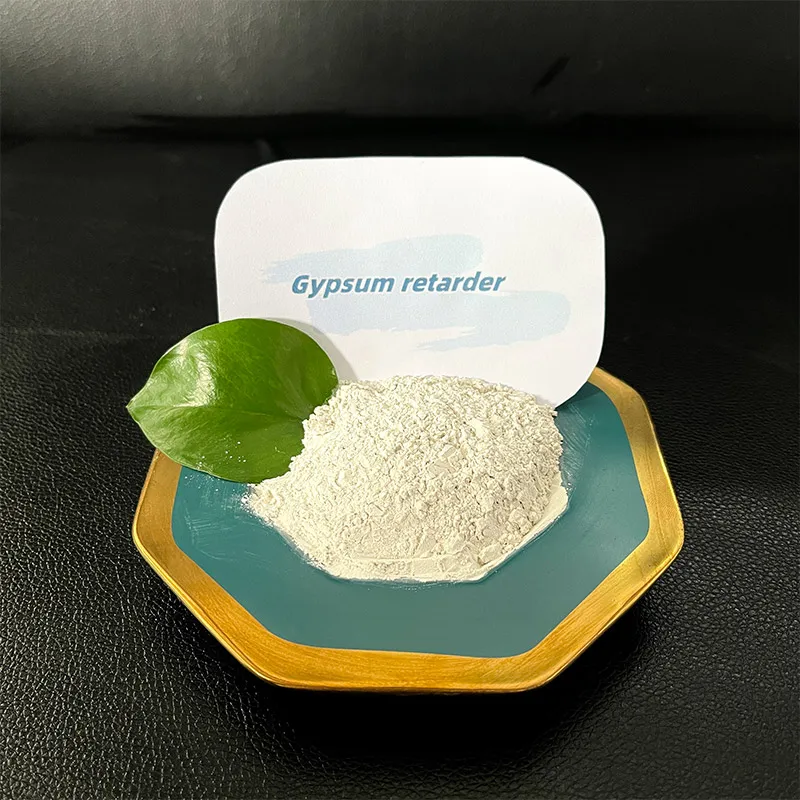

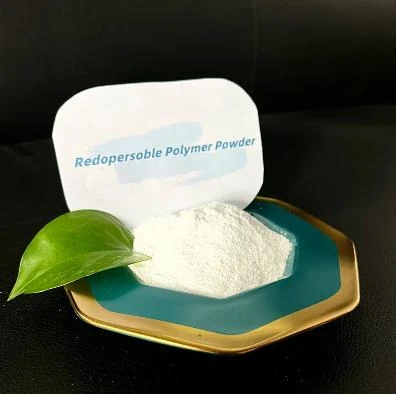
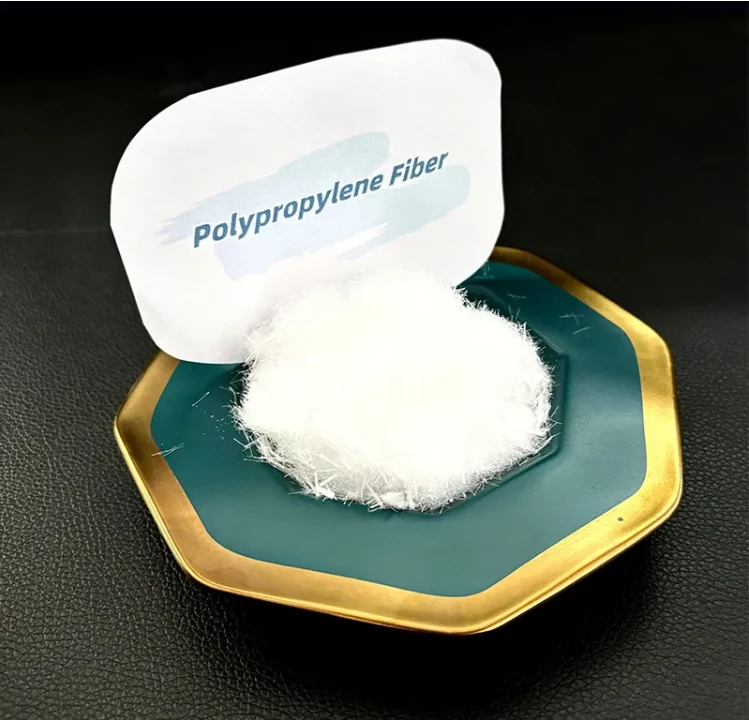
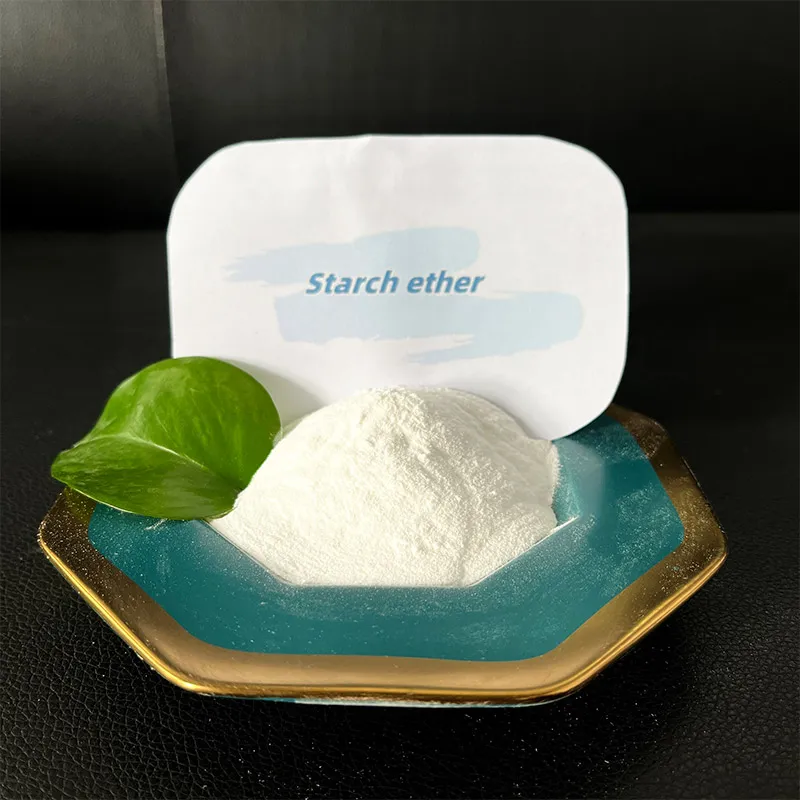


Polyolefin fibers, an essential component in the textile and manufacturing industries, have significantly gained attention due to their versatile applications and superior qualities. These fibers, derived from polymers such as polypropylene and polyethylene, offer a unique combination of properties that cater to numerous industrial needs, enhancing both product performance and durability. One of the most significant advantages of polyolefin fibers is their exceptional resistance to moisture. This property makes them an ideal choice for outdoor applications, where exposure to environmental elements like rain and humidity can quickly degrade other materials. For instance, agricultural fabrics designed to protect crops from the elements heavily rely on polyolefin fibers due to their robust water-repellent characteristics, ensuring longevity and consistent performance across seasons. Moreover, the high tensile strength of polyolefin fibers contributes importantly to their value in various industries. Their ability to withstand considerable stress without breaking or deforming makes them suitable for manufacturing high-strength ropes, fishing nets, and even geotextiles used in construction projects. This inherent strength not only extends the lifespan of the products made from these fibers but also enhances their reliability in critical applications, where failure is not an option. A prominent feature of polyolefin fibers is their inherent resistance to chemical attacks. This characteristic is particularly beneficial in environments where exposure to harsh chemicals or solvents is a concern, such as in industrial filtration systems or packaging materials. Products made from polyolefin fibers do not easily degrade when in contact with chemicals, ensuring both product integrity and safety over time. In the arena of sustainability, polyolefin fibers present a commendable profile. They are fully recyclable and contribute less to the overall carbon footprint compared to some other synthetic fibers. Their production process, largely driven by advances in polymer technology, has become more energy-efficient, allowing manufacturers to produce these fibers with reduced environmental impact. This aspect of sustainability positions polyolefin fibers favorably among environmentally conscious businesses aiming to incorporate more eco-friendly materials into their product lines. polyolefin fiber The light-weight nature of polyolefin fibers is another enticing benefit, leading to two major advantages—ease of handling and reduced transportation costs. Their low density results in lighter end products, which is particularly beneficial for applications in the automotive and aerospace industries, where weight reduction translates to improved fuel efficiency and performance. Polyolefin fibers thus contribute to overall cost savings , benefiting both manufacturers and end consumers. While the advantages are clear, incorporating polyolefin fibers into applications requires careful consideration of certain technical properties. Polyolefin fibers have a relatively low melting point compared to other synthetic fibers, which can be a limiting factor in high-temperature applications. However, this limitation is often addressed in innovative ways by blending polyolefin fibers with other materials or using them in environments where their low thermal resistance is not an issue. The expertise and authority of polyolefin fiber production have been greatly advanced by leading companies and research institutions globally. Their focus remains on refining the production processes and enhancing the fiber’s properties to meet the ever-evolving demands of the market. Extensive research and development activities ensure these fibers remain at the forefront of innovation, maintaining their status as a reliable and versatile material choice. Trustworthiness in the field of polyolefin fibers is further reinforced by strict compliance with international standards and certifications, which oversee the quality and environmental impact of these materials. Reputable manufacturers provide comprehensive data and transparency about their products, allowing consumers to make informed decisions based on verified performance metrics. In conclusion, polyolefin fibers represent a remarkable blend of performance, durability, and sustainability, making them indispensable across a variety of industrial sectors. Their distinctive properties provide tangible benefits, from extending product life to reducing environmental impacts, ensuring that polyolefin fibers will continue to be a material of choice for innovative solutions well into the future.
- 40000tons

Production
- 20+years

Experience
- 5000+㎡

Acreage

-
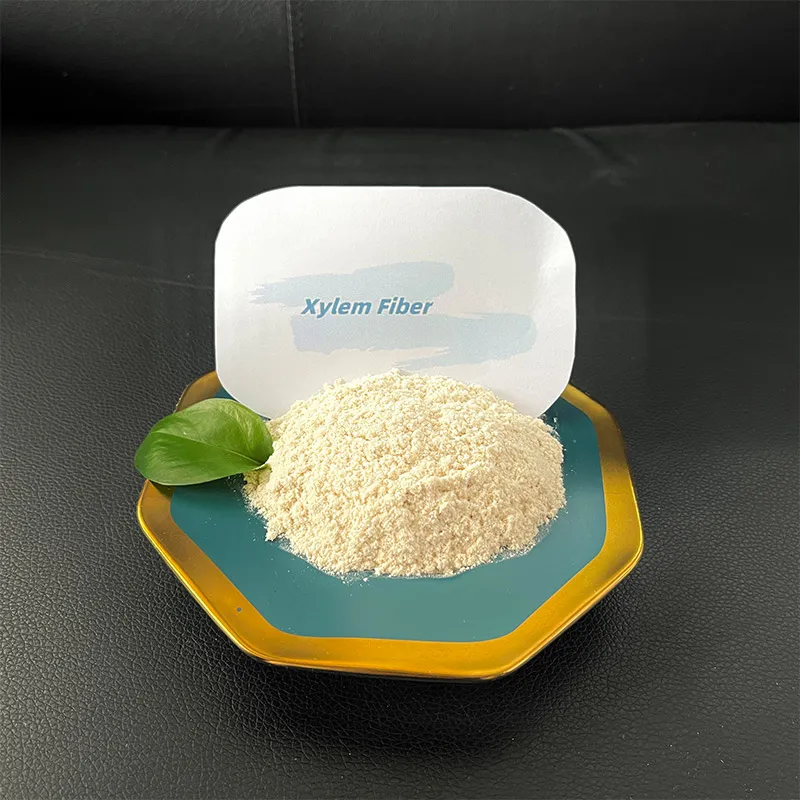
The Role of Hydroxypropyl Starch Phosphate in Hair Care Products In recent years, the beauty and personal care industry has witnessed a significant rise in the demand for novel and effective ingredients. Among these, hydroxypropyl starch phosphate (HPSP) has emerged as an intriguing component, particularly in hair care formulations. This versatile ingredient, derived from natural starch, is garnering attention for its multiple benefits and applications in improving hair health and aesthetics. What is Hydroxypropyl Starch Phosphate? Hydroxypropyl starch phosphate is a modified starch that is produced through the chemical modification of natural starches. The process involves introducing hydroxypropyl groups and phosphate esters into the starch molecules. This modification enhances the solubility of the starch in water and provides unique functional properties, making HPSP suitable for various cosmetic applications, including hair care. Benefits for Hair Care 1. Moisture Retention One of the standout features of hydroxypropyl starch phosphate is its ability to retain moisture. Hair that lacks hydration can appear dull, frizzy, and unmanageable. Products containing HPSP can help maintain moisture levels, providing the hair with a soft and smooth texture. This property is particularly beneficial for individuals with dry or damaged hair. 2. Film-Forming Agent HPSP acts as an excellent film-forming agent, creating a protective layer over the hair shaft. This barrier helps shield the hair from environmental stressors such as UV radiation, pollution, and heat damage. Moreover, this film enhances the overall appearance of hair by adding shine and reducing tangling, leading to easier styling. 3. Stabilization and Texture Improvement In addition to cosmetic benefits, hydroxypropyl starch phosphate contributes to the stability and texture of hair care formulations. It helps emulsify oils and water, ensuring a smooth and consistent product . This property is particularly advantageous in shampoos, conditioners, and styling products, where a pleasant texture and stability are vital for consumer satisfaction. hydroxypropyl starch phosphate hair 4. Gentle on Hair Since HPSP is derived from natural starch, it is often considered more gentle compared to synthetic polymers or harsh chemicals. This makes it suitable for sensitive scalps and can be a preferred choice for those looking for gentle yet effective hair care solutions. 5. Enhanced Manageability and Styling Hair products formulated with hydroxypropyl starch phosphate can improve the manageability of hair. By minimizing frizz and enhancing smoothness, HPSP allows for easier combing and styling. Furthermore, the added hold provided by the film-forming properties assists in maintaining hairstyles throughout the day. Applications in Hair Care Products Hydroxypropyl starch phosphate is used in a variety of hair care products, including - Shampoos To improve cleansing efficiency while maintaining moisture and preventing dryness. - Conditioners For detangling, enhancing shine, and providing a protective barrier for each strand. - Hair Masks To deeply nourish and hydrate, leaving the hair feeling soft and rejuvenated. - Styling Products Such as gels and mousses, where it helps to provide hold and control without stiffness. Conclusion As the hair care industry continues to evolve, the incorporation of innovative ingredients like hydroxypropyl starch phosphate underscores the importance of science-backed solutions for hair health. HPSP offers a multifaceted approach to hair care, providing hydration, protection, and improved manageability. For consumers seeking effective and gentle products, those containing hydroxypropyl starch phosphate may represent a promising option—blending tradition with modern advancements in beauty science. As more research and development occur in this field, it's likely that HPSP will continue to be a favored ingredient among formulators aiming to meet the diverse needs of hair care consumers.
-
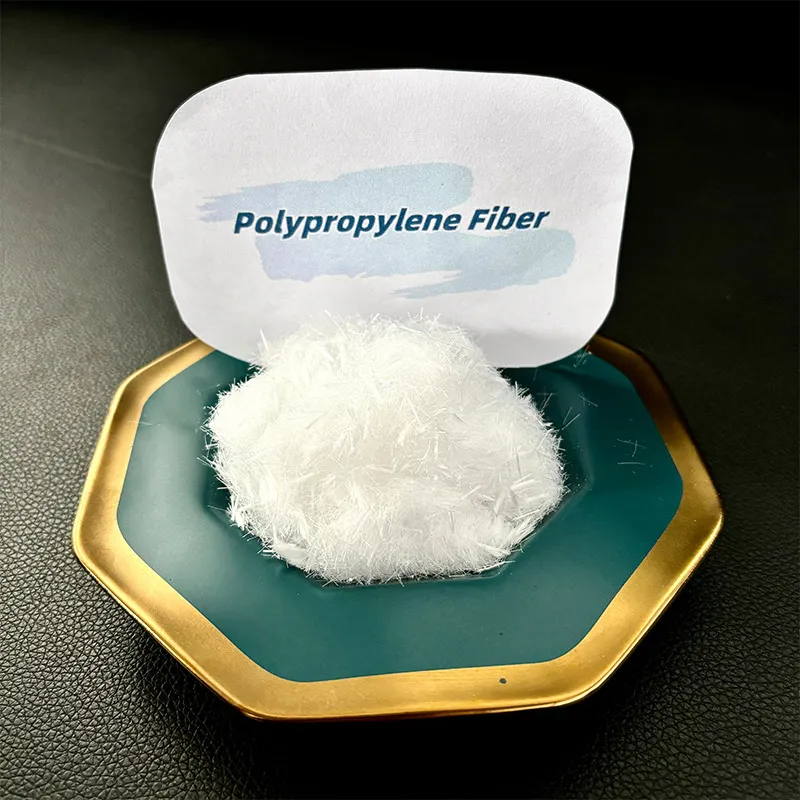
In the realm of pharmaceuticals, HPMC stands for Hydroxypropyl Methylcellulose, a compound indispensable to the formulation processes within the industry. Renowned for its multifaceted applications, HPMC is primarily utilized as an excipient — a substance formulated alongside the active ingredient of a medication. Its role extends beyond mere filler, showcasing an impressive array of functionalities that facilitate product development, ensure quality, and enhance therapeutic effectiveness. Born from cellulose, the most abundant organic polymer on Earth, HPMC emerges through a sophisticated chemical modification process. This modification bestows upon it unique properties such as water solubility, high viscosity, and a non-toxic nature. These characteristics make HPMC a critical ingredient in a diverse array of pharmaceutical products, from tablets and capsules to ophthalmic solutions and topical applications. One of the key benefits of HPMC in tablet formulation is its function as a disintegrant. In the human body, tablets must break down into smaller particles to assure the bioavailability of the drug. HPMC facilitates this process . It swells upon contact with water, helping the tablet to disintegrate promptly, speeding up the release and absorption of the active pharmaceutical ingredient (API). This efficiency enhances the drug’s effectiveness and reliability, a crucial factor in patient satisfaction and trust in pharmaceutical products. Additionally, HPMC acts as a controlled-release agent. In sustained release formulations, HPMC matrices regulate the rate at which the API is dispensed into the system, providing a consistent therapeutic effect over an extended period. This not only maximizes the efficacy of the medication but also improves patient compliance by reducing the frequency of doses required per day. In capsule production, HPMC is celebrated as a vegan alternative to gelatin. Increasingly, consumers are demanding plant-based options in their medicinal products, and HPMC serves this niche perfectly. It forms the backbone of non-animal-based capsules, ensuring that users adhering to vegan lifestyles or with dietary restrictions have access to safe and compliant pharmaceutical options. hpmc full form in pharma Beyond oral medications, HPMC's significance extends to topical pharmaceuticals. Its thickening and stabilizing attributes are particularly beneficial in creams and gels, ensuring the even distribution of the active substances across the applied surface area. In eye drops, HPMC's mucoadhesive properties prolong the retention time of the drops on the ocular surface, maximizing therapeutic contact time and enhancing patient comfort. Backed by comprehensive testing and approval from health regulatory bodies worldwide, HPMC is acknowledged as a safe and effective compound. Preclinical trials consistently affirm its biocompatibility and non-toxic nature, key attributes that bolster its standing as a preferred excipient in the pharmaceutical industry. Industry experts consistently highlight HPMC's versatility and reliability. Dr. Elaine Baxter, a leading pharmaceutical scientist, notes, The adaptability of HPMC in responding to varied formulation needs is unparalleled. It allows for innovation in drug delivery systems, paving the way for more personalized and effective therapies. As the pharmaceutical landscape evolves towards personalized medicine, the importance of excipients like HPMC is amplified. It plays a crucial role not only in the development of current oral, ophthalmic, and topical therapies but also blazes the trail for future innovations in drug delivery technologies. Researchers are actively exploring its potential in developing nanoparticles and 3D-printed medications, which could revolutionize how we perceive and administer treatments. In conclusion, HPMC's full form — Hydroxypropyl Methylcellulose — signifies much more than its name suggests. It embodies innovation in pharmaceutical formulation, providing expertise and reliability that underscore the efficacy and safety of countless medicinal products. Its diverse applications furnish the pharmaceutical industry with a tool that enhances product development, meets evolving consumer demands, and ultimately, manifests in therapeutic trustworthiness and authority.
advantages
-

200000 Viscosities
Excellent product
We can produce pure products up to 200,000 viscosities
-

40000 tons
High yield
We don’t stop production all year round, and the annual output can reach 40,000 tons
-

24 hours
Quality service
We provide 24-hours online reception service, welcome to consult at any time
———— Inquiry Form
Schedule A services

-
 chemical_hpmc
Oct . 25, 2025
In the ever-evolving landscape of industrial and pharmaceutical applications, understanding the dist -
 tyre_rubber_powder_uses
Oct . 25, 2025
Hydroxypropyl methylcellulose (HPMC) cellulose, a derivative of cellulose, is revolutionizing the fo -
 hydroxypropyl_methyl_cellulose_msds
Oct . 25, 2025
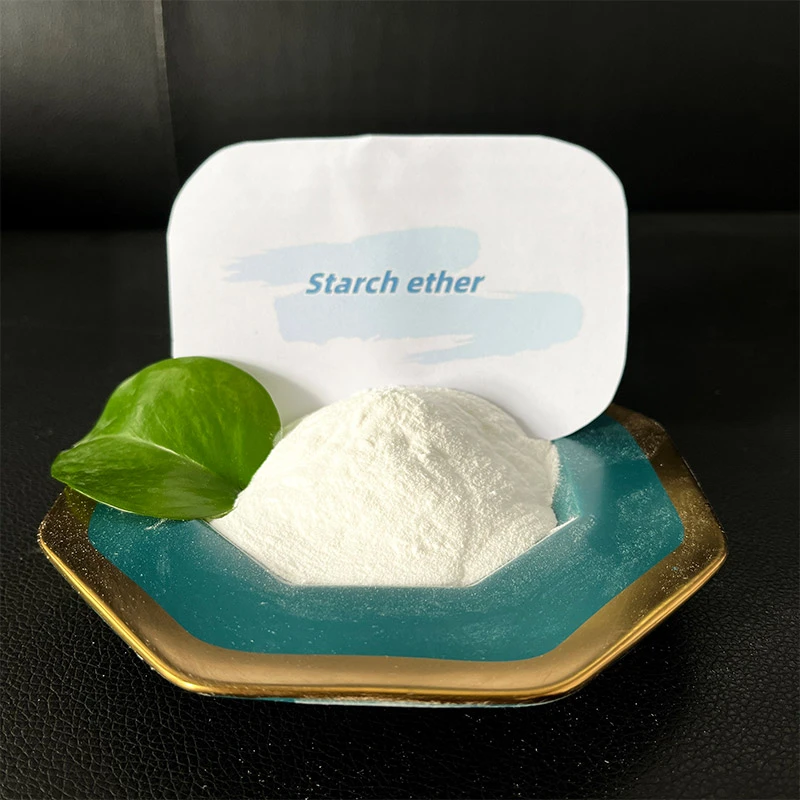
Starch derivatives are gaining significant traction in various industries due to their versatile app


